
Origin
The word بُنّ (bunn, pronounced /bʊn/)
means coffee or coffee bean in Arabic.

The Journey
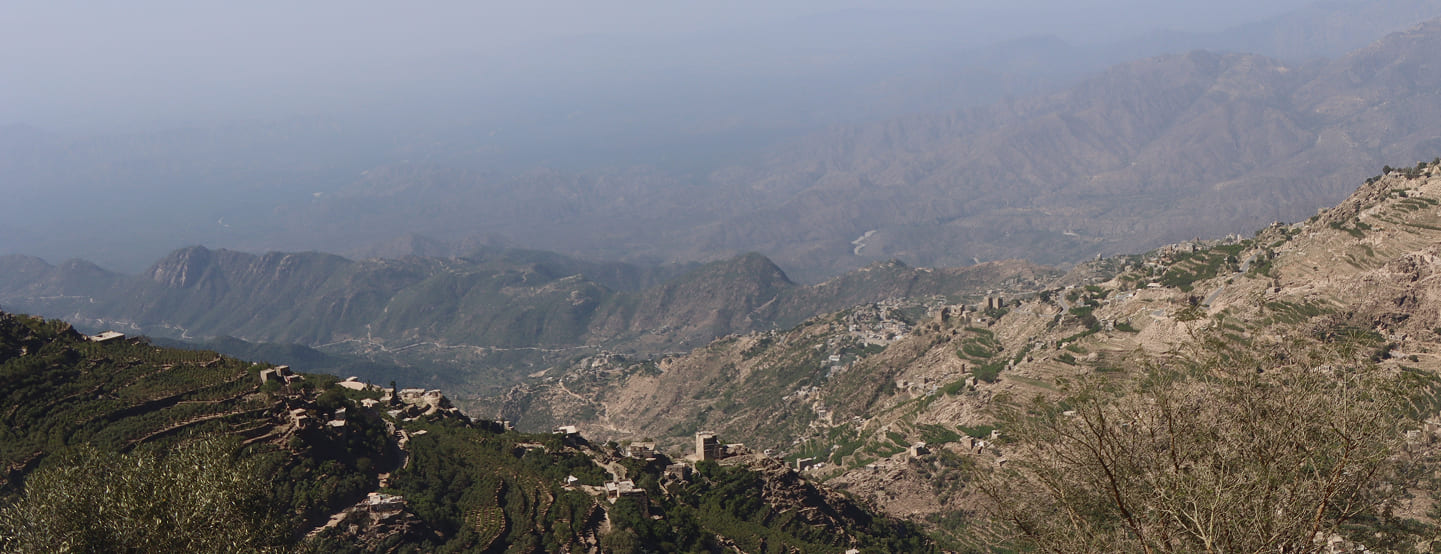
In the rugged northern highlands of Yemen's Sa'ada Governorate, on the hanging terraces of Khawlan bin Amir and the surrounding mountain districts — Saqin, Haydan, Bani Bahr, Ghamr, Razeh, and Munabbih — lies the homeland of Bunn Khawlan, one of the world's oldest and finest Arabica coffees.
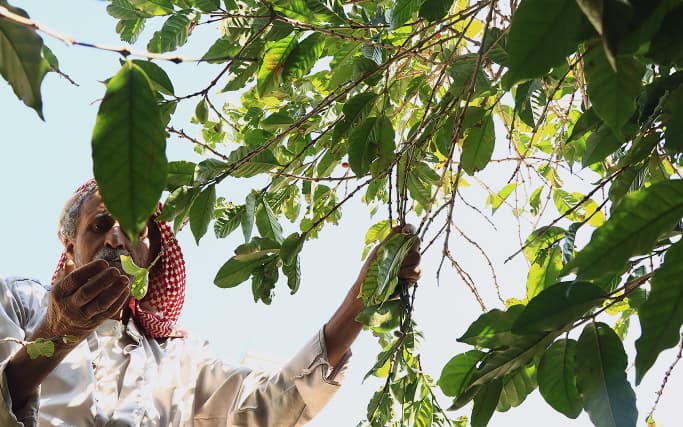
For over 800 years, these mountain communities have cultivated coffee on volcanic soils, nourished by cool nights, bright sun, and seasonal rains that create the perfect balance of sweetness, acidity, and depth. Khawlani coffee traces its roots to the very origins of Yemen's coffee culture. Yemen was the first country to cultivate coffee commercially in the 15th century, exporting it to the world through the port of Mocha, where it became known globally as Mocha Coffee.
Bunn Khawlan was among the earliest varieties to make this journey, carried by caravans across perilous mountain routes to Sana'a and onward to the coast — a journey that helped define Yemen's identity as the birthplace of coffee.
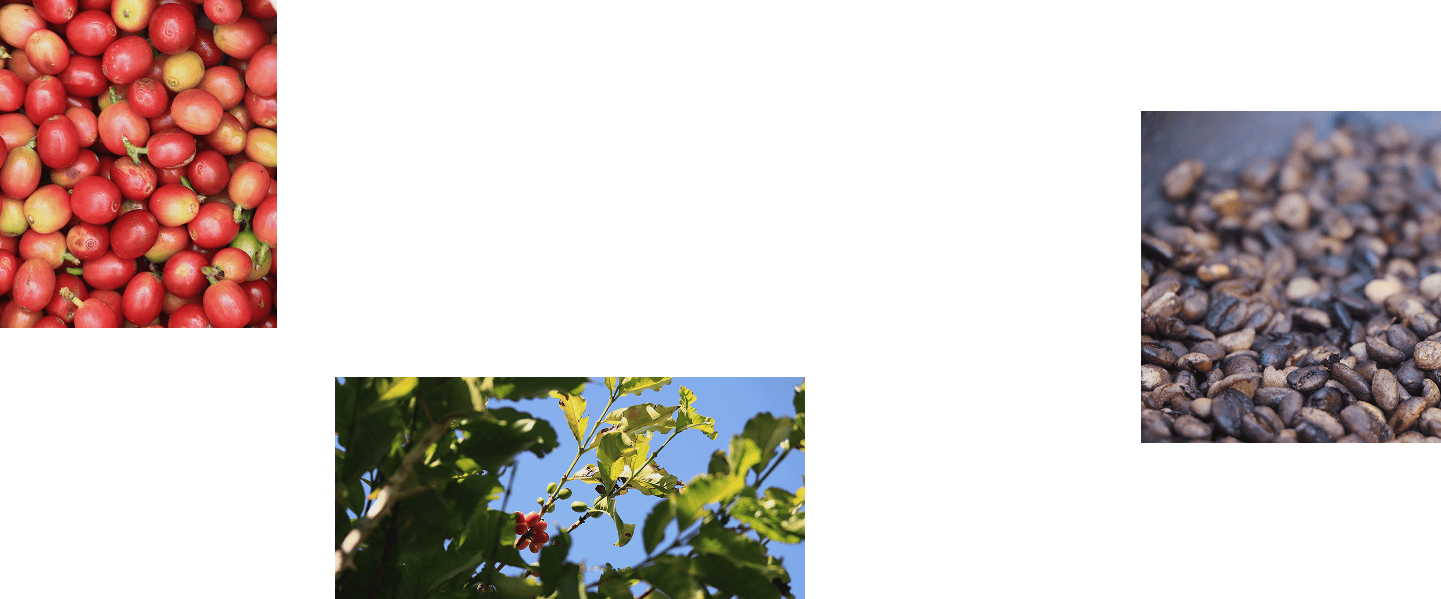
More than a product, Bunn Khawlan represents a living legacy — a symbol of endurance, generosity, and belonging. Farmers here still cultivate their coffee organically and by hand, using traditional methods passed down through generations. The cherries are handpicked and sun-dried on stone terraces, preserving the bean's distinctive green hue and exceptional quality.
More than a product, Bunn Khawlan represents a living legacy — a symbol of endurance, generosity, and belonging. Farmers here still cultivate their coffee organically and by hand, using traditional methods passed down through generations. The cherries are handpicked and sun-dried on stone terraces, preserving the bean's distinctive green hue and exceptional quality.

The Result
is a coffee celebrated for its balanced flavor, with gentle acidity, natural sweetness, and aromatic notes of fruit, flowers, and cocoa. Every cup tells a story of mountains, patience, and heritage — a testament to the Yemeni farmer's unwavering spirit and the timeless bond between land and culture.